Basics of Architectural Design

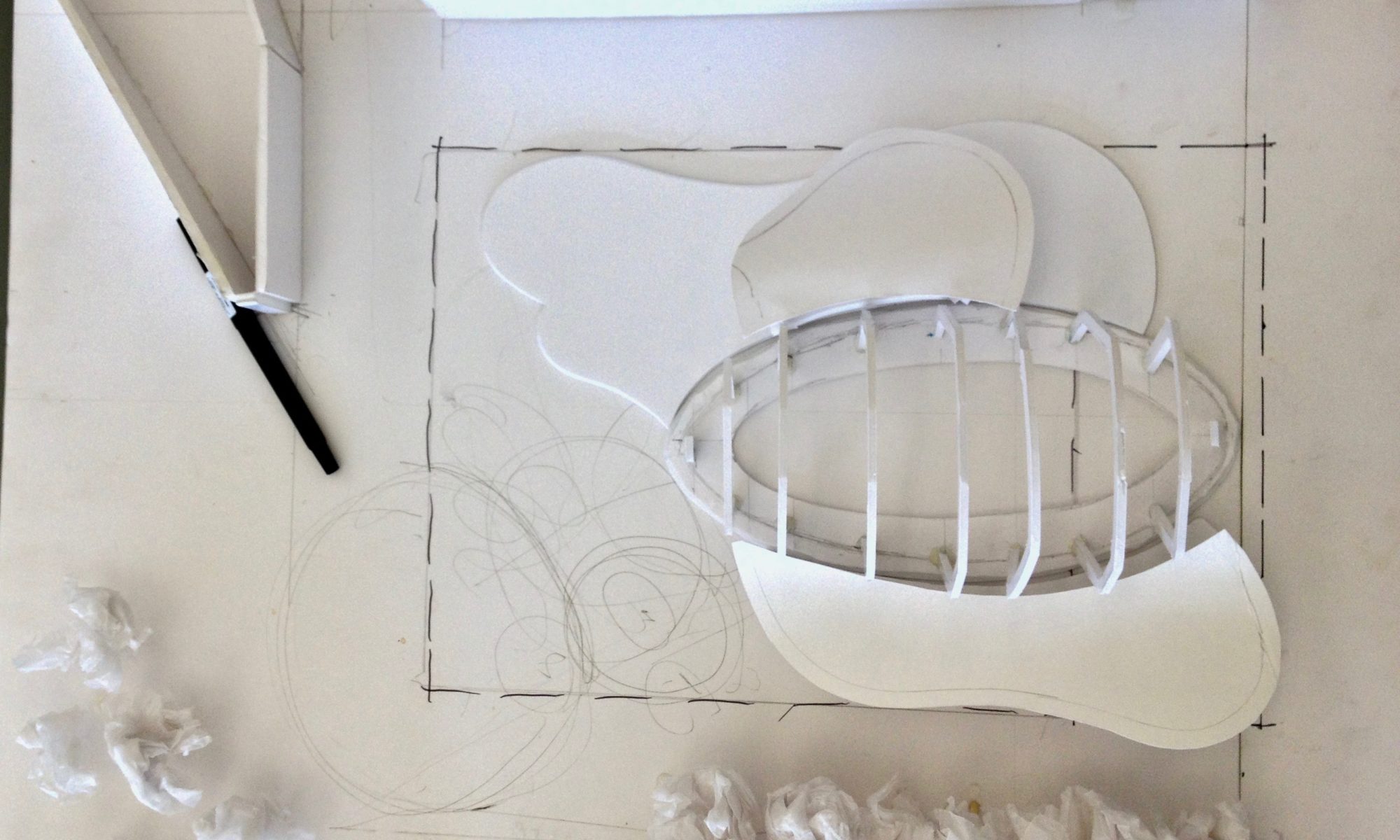
Mark Fleischhaker successfully completed the CEID 122 Basics of Architectural Design continuing studies course from Emily Carr University of Art + Design.

Course Description:

This studio course introduces you to the design process as it applies to architecture and architectural space. Through site analysis, research, idea generation, sketch and physical model explorations, and final proposal presentation, we will learn to interpret the locational, contextual and structural aspects of design and to generate and explore spatial ideas. Through a small scale site-specific design project  we will develop individual architecture-related skills. We will learn through individual and team projects, class discussions and peer critique.

Location: Vancouver, British Columbia, Canada
Completion Date: March 2013

Structural Steel Design for Buildings

Mark Fleischhaker successfully completed the C13 Structural Steel Design for Buildings course from Structural Engineers Association of BC Certificate in Structural Engineering Program.

Course Purpose:
This course is intended to provide students with the skills and knowledge required for effective design of steel buildings using Canadian Limit States Steel Standard CSA S16-14. The course is intended to promote better understanding of the design considerations of steel buildings. The course is appropriate as a code refresher or for recently graduated engineers as it will cover items that are not traditionally part of a steel design course including conceptual design of steel framing systems, steel decking, open web steel joists and HSS trusses, miscellaneous metal. Seismic sections of this course are now covered by the SEABC E12 (Seismic Design of steel structures) and this course will concentrate on the non-seismic portions of seismic design and additional non-seismic material will be added to replace the seismic sections now covered in E12. Where possible, current design practice will be demonstrated using worked problems including weekly home assignments. The course is fast paced and students should have taken a previous steel course. Possession of the CISC Handbook of Steel Construction 11th edition (2014 edition) is required. Also required is a copy of Structural Steel for Canadian Buildings: A Designer’s Guide (3rd Edition), which is available from Amazon.ca. The course is fast paced, and students should have taken a previous steel course.

Selected Topics:
Advantages and disadvantages of structural steel, material grades and section availability, basic beam design, steel deck design for vertical loading, roof deck, composite floor deck, design of roof beams for wind uplift, ponding, snow drifting, conceptual design of steel framing systems, framing for openings in floors and roofs, framing for plan irregularities, beam holes, stability issues, cantilever beam stability, Gerber framing system, open web steel joists, hollow structural section trusses and frames, HSS connections, composite beams, vibration analysis, columns, column base-plates, beam-columns, connection design for the design engineer, shop drawing review, miscellaneous metal.

Location: Vancouver, British Columbia, Canada
Completion Date: December 2012

Applications of Dynamic Analysis for Seismic Design of Structures

Mark Fleischhaker successfully completed the E15 Applications of Dynamic Analysis for Seismic Design of Structures course from Structural Engineers Association of BC Certificate in Structural Engineering Program.

Course Purpose:
The emphasis of this course will be on practical aspects related to the use of dynamic analysis and nonlinear response of seismic force resisting elements for evaluating the seismic performance of structures. It will provide an overview on the effective use and implementation of modern tools of dynamic analysis of new and existing buildings. The course was developed in response to the need for structural engineers to better understand how to use dynamic analysis and nonlinear response for the design of buildings that will require this type of analysis in accordance with the NBCC 2010. It will be a combination of lectures and hands-on exercises to be carried out with modern computer programs commonly used in engineering practice.

Selected Topics:
The topics to be covered during the course are: 1) Review of basic concepts of structural dynamics; 2) Response spectrum and ductility concepts; 3) Basics of response history analysis; 4) 2D and 3D dynamic analysis of buildings including building irregularities; 5) Introduction to the inelastic response of buildings (moment frame, shear wall and braced frame systems); 6) Analysis of base-isolated structures; 7) Analysis of buildings with energy dissipation devices; 8) Analysis of buildings with viscous and friction dampers.

Location: Vancouver, British Columbia, Canada
Completion Date: September 2012

Advanced Concepts in Earthquake Engineering and Seismicity

Mark Fleischhaker successfully completed the C4-2 Advanced Concepts in Earthquake Engineering and Seismicity course from Structural Engineers Association of BC Certificate in Structural Engineering Program.

Course Purpose:

This course covers advanced concepts of earthquake engineering and will provide the student with additional knowledge to perform seismic analyses and design of building structures covered in other courses of this program.

Selected Topics:

Seismic Hazard Analysis Concepts (Deterministic and Probabilistic), Basic Modeling of Structures for Seismic Analysis, Nonlinear Static Pushover Analysis, Nonlinear Dynamic Response History Analysis, and Soil-Structure Interaction. For each topic to be discussed, the theory behind the concept will be introduced and explained first, and then illustrative practically-oriented examples will be presented and discussed.

Location: Vancouver, British Columbia, Canada
Completion Date: March 2012